

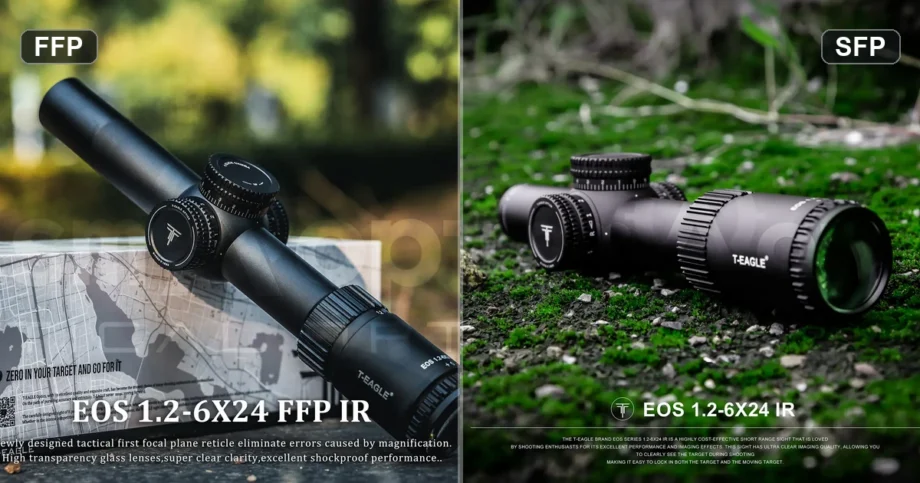
Wybór między LPVO w pierwszej a drugiej płaszczyźnie ogniskowej nie polega na znalezieniu uniwersalnie lepszej konstrukcji. Chodzi o decyzję, jak ma się zachowywać siatka celownicza podczas poruszania się w zakresie powiększenia.
W lunecie FFP siatka celownicza wydaje się powiększać i kurczyć wraz z obrazem celu. W lunecie SFP siatka celownicza wydaje się pozostawać niezmieniona. Ta różnica wpływa na to, jak łatwo jest dostrzec siatkę celowniczą przy niskim powiększeniu, kiedy jej oznaczenia wskazują zamierzone wartości kątowe oraz jak dużą uwagę należy poświęcić ustawieniu powiększenia przed użyciem funkcji przytrzymywania.
Ten poradnik wyjaśnia praktyczne różnice między celownikami FFP a SFP LPVO, nie zakładając, że każda siatka celownicza lub każdy strzelec działa tak samo. Zawsze sprawdź instrukcję dla konkretnej optyki i siatki celowniczej, którą rozważasz.
Szybka odpowiedź
Wybierz FFP LPVO jeśli zamierzasz korzystać z funkcji pomiaru za pomocą siatki celowniczej lub dokonywać pomiarów przy kilku ustawieniach powiększenia i chcesz, aby kątowe położenie siatki celowniczej względem obrazu docelowego pozostało niezmienne podczas powiększania.
Wybierz SFP LPVO jeśli wolisz siatkę, która pozostaje spójna wizualnie i łatwa do rozpoznania w całym zakresie zoomu, a także nie przeszkadza ci korzystanie z jej skalibrowanych znaczników powiększenia określonych przez producenta.
Żadna z opcji nie zapewnia automatycznie lepszego szkła, oświetlenia, wytrzymałości ani jakości mechanicznej. To zależy od konkretnego modelu lunety. Płaszczyzna ogniskowa opisuje, gdzie siatka znajduje się w układzie optycznym i jak zachowuje się ona przy zmianach powiększenia.
FFP vs SFP LPVO w skrócie
| Pytanie | FFP LPVO | SFP LPVO |
|---|---|---|
| Czy siatka celownicza wydaje się zmieniać rozmiar? | Tak, skaluje się wraz z powiększeniem | Nie, wydaje się, że ma ten sam rozmiar |
| Czy nachylenia kątowe pozostają proporcjonalne do obrazu? | Tak, w całym zakresie powiększenia | Tylko przy powiększeniu określonym dla danej siatki celowniczej |
| Co się dzieje przy niskim poborze mocy? | Drobne szczegóły mogą wydawać się mniejsze lub cieńsze | Siatka pozostaje spójna wizualnie |
| Co się dzieje przy dużej mocy? | Siatka staje się większa wraz z obrazem | Siatka pozostaje tej samej wielkości |
| Najlepiej pasuje | Użytkownicy stosujący uchwyty o różnym powiększeniu | Użytkownicy ceniący sobie stabilny obraz wzrokowy i prostsze odniesienie wizualne |
| Główna kontrola przed zakupem | Widoczność i podświetlenie siatki o małej mocy | Powiększenie kalibracyjne dla znaczników trzymania |
Ta tabela opisuje zachowanie lunety w płaszczyźnie ogniskowej, a nie jej ogólną jakość. Porównaj oddzielnie odległość od oka, pole widzenia, oświetlenie, konstrukcję siatki, wagę, elementy sterujące i wymagania montażowe.
Co oznacza płaszczyzna ogniskowa w LPVO?
Luneta celownicza o zmiennym powiększeniu zawiera układ optyczny, który powiększa obraz celu. Siatkę celowniczą można umieścić przed lub za elementem układu, który zmienia powiększenie.
Ten Słownik płaszczyzny ogniskowej SIG SAUER opisuje wyraźnie widoczny efekt: siatka celownicza FFP wydaje się większa wraz ze wzrostem powiększenia i mniejsza wraz ze zmniejszaniem, podczas gdy siatka celownicza SFP wydaje się mieć ten sam rozmiar przy każdym ustawieniu. Najczęściej zadawane pytania dotyczące optyki Vortex wyjaśnia również, że te dwa terminy opisują miejsce zamontowania siatki celowniczej wewnątrz lunety.
To umiejscowienie ma znaczenie, ponieważ siatka celownicza to coś więcej niż tylko centralny punkt celowniczy. Wiele siatek LPVO zawiera znaczniki odniesienia dla wysokości, wiatru, odległości lub szybkiego trzymania. Relacja między tymi znacznikami a obrazem celu różni się w konstrukcjach FFP i SFP.
Jak zachowuje się siatka FFP
W przypadku LPVO w pierwszej płaszczyźnie ogniskowej siatka i obraz docelowy skalują się razem. Obróć układ optyczny na większe powiększenie, a oba będą większe. Zmniejsz je, a oba będą mniejsze.
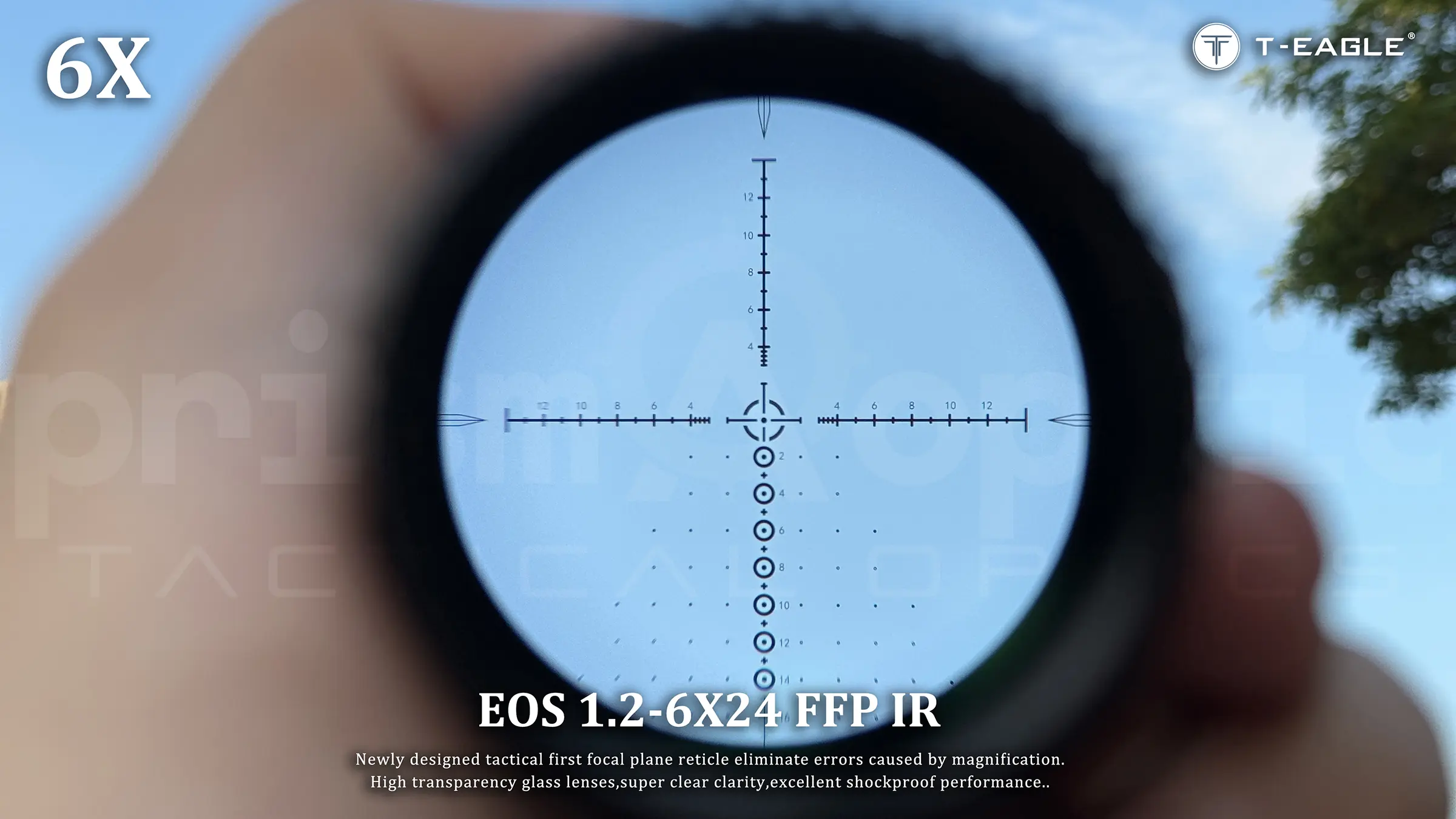
Istotnym rezultatem jest to, że kąty nachylenia siatki celowniczej pozostają proporcjonalne do obrazu. Jeśli konkretny znacznik reprezentuje określoną wartość kątową, zależność ta nie zależy od wyboru tylko jednego ustawienia powiększenia. Może to być przydatne, gdy strzelec zmienia powiększenie, ale nadal chce korzystać z systemu pomiaru lub utrzymywania siatki celowniczej.
Skalowanie zmienia jednak również wygląd siatki celowniczej. W niższych ustawieniach, szczegółowa siatka celownicza FFP może wydawać się drobna lub kompaktowa. W wyższych ustawieniach, ta sama konstrukcja staje się większa, a jej struktura łatwiejsza do sprawdzenia. Oświetlenie i dobra konstrukcja siatki celowniczej mogą pomóc przy niskim powiększeniu, ale należy ocenić rzeczywistą siatkę celowniczą, zamiast zakładać, że każda siatka celownicza FFP LPVO ma taką samą widoczność.
Jak zachowuje się siatka SFP
W przypadku LPVO w drugiej płaszczyźnie ogniskowej obraz docelowy powiększa się lub zmniejsza wraz ze zmianą powiększenia, ale siatka celownicza wydaje się pozostawać tej samej wielkości. Dzięki temu punkt środkowy, zewnętrzne elementy i grubość linii zachowują znajomą obecność wizualną w całym zakresie ogniskowych.
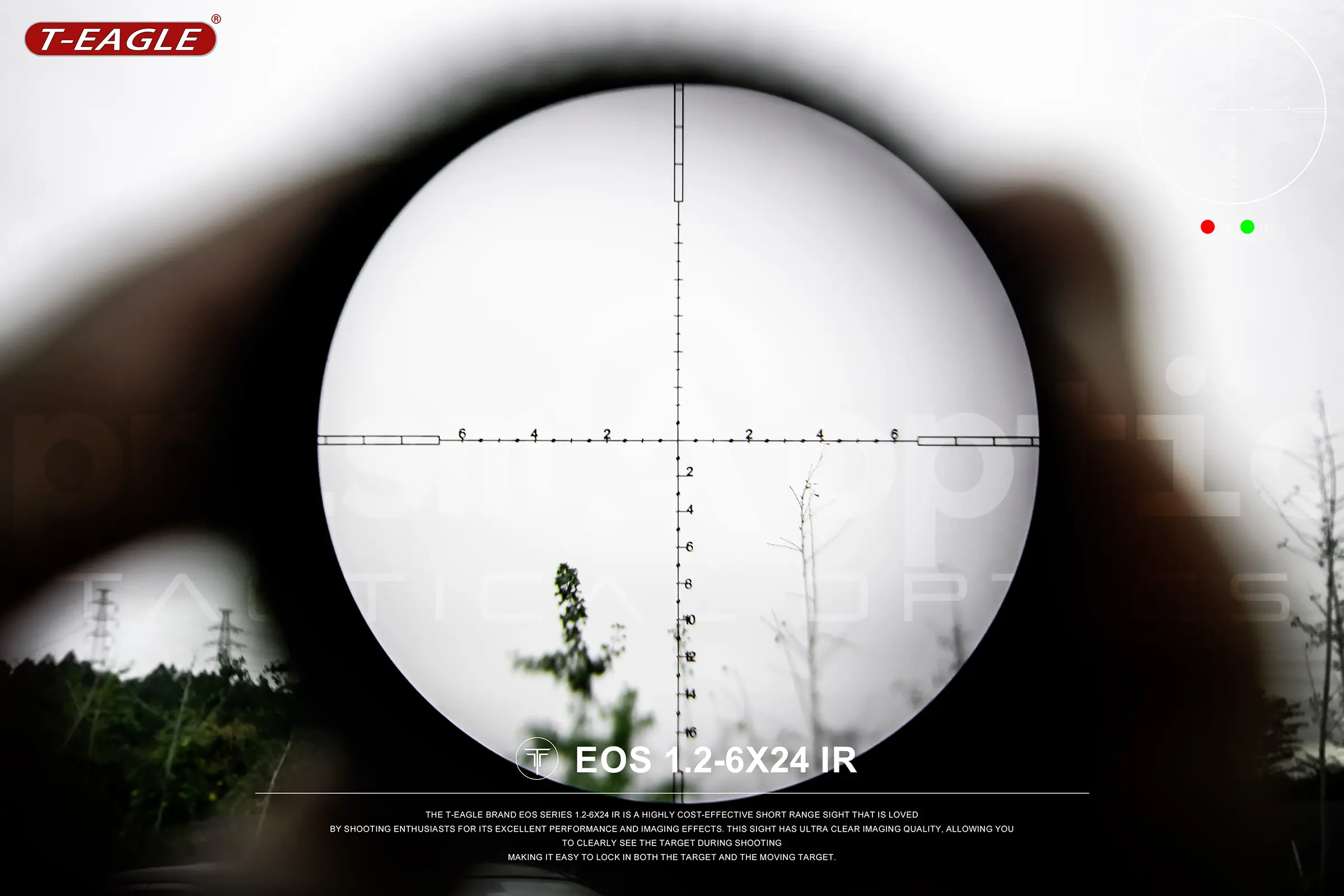
Ta spójność jest atrakcyjna, gdy siatka celownicza służy głównie jako punkt odniesienia przy szybkim celowaniu. Wyrazisty, centralny element pozostaje łatwy do odnalezienia przy niskim powiększeniu, bez optycznego powiększania się w górnej części.
Kompromis dotyczy wartości oznaczeń siatki celowniczej. Ponieważ obraz docelowy zmienia rozmiar za siatką, która tego nie robi, znaczniki pomiaru i zatrzymania reprezentują jedynie zamierzone wartości przy powiększeniu kalibracyjnym podanym przez producenta. To ustawienie często oznacza najwyższą moc, ale nigdy nie należy go zakładać. Sprawdź instrukcję obsługi, aby uzyskać informacje o dokładnej siatce celowniczej i lunecie.
Co zmienia się przy małym i dużym powiększeniu?
Płaszczyznę ogniskową łatwiej zrozumieć, gdy wyobrazimy sobie dwa końce zakresu zoomu obiektywu LPVO.
Przy małym powiększeniu
Siatka celownicza FFP ma najmniejszy pozorny rozmiar. Wzór z delikatnym środkiem i wieloma drobnymi elementami może być mniej widoczny, natomiast dobrze zaprojektowany, podświetlony środek lub wyraźny zewnętrzny element mogą pozostać łatwo rozpoznawalne. Siatkę celowniczą należy oceniać jako kompletny projekt, a nie tylko na podstawie liter FFP.
Siatka celownicza SFP zachowuje ten sam rozmiar pozorny przy większym powiększeniu. Zapewnia to stabilny punkt odniesienia wizualnego, zwłaszcza gdy użytkownikowi zależy przede wszystkim na wyraźnym punkcie centralnym przy niskim powiększeniu. Pomiary z wykorzystaniem siatki celowniczej muszą jednak nadal być zgodne z instrukcjami kalibracji producenta.
Przy dużym powiększeniu
Siatka celownicza FFP rośnie wraz z obrazem. Drobne znaki odniesienia stają się łatwiejsze do zauważenia, ale cięższa konstrukcja pozwala na lepsze pokrycie małego celu. Równowaga zależy od grubości linii, układu i przeznaczenia.
Siatka celownicza SFP nie powiększa się. Może pozornie obejmować mniejszy fragment powiększonego obrazu, a jej stały rozmiar może sprawić, że niektóre drobne oznaczenia będą mniej widoczne. Przy określonym powiększeniu kalibracyjnym, znaczniki zatrzymania lub odległości można stosować zgodnie z instrukcją.
Z tych właśnie różnic wynika, że lepiej jest oglądać rzeczywisty krzyż celowniczy na obu końcach zakresu powiększenia niż dokonywać wyboru wyłącznie na podstawie etykiety ze specyfikacją.
Wybierz FFP LPVO jeśli…
Kandydatem bardziej naturalnym jest FFP LPVO, gdy:
- Planujesz używać siatki celowniczej z kątowym ustawieniem powiększenia, przy więcej niż jednym ustawieniu.
- Chcesz, aby podczas powiększania relacja między znacznikami siatki a obrazem docelowym pozostała proporcjonalna.
- Często zmieniasz ustawienia powiększenia zamiast traktować lunetę jako dwupozycyjną optykę 1x/max-power.
- Sprawdziłeś, czy siatka celownicza o niskim poborze mocy oraz podświetlenie pozostają wystarczająco widoczne do zamierzonego celu.
- Rozumiesz siatkę celowniczą i wolisz jej skalowalny układ.
FFP nie jest automatycznie bardziej zaawansowanym rozwiązaniem dla każdego kupującego. Jeśli siatka o niskim powiększeniu okaże się zbyt cienka dla Twoich oczu lub docelowego środowiska, jej teoretyczna elastyczność może nie poprawić Twoich rzeczywistych wrażeń.
Wybierz SFP LPVO jeśli…
Zawór SFP LPVO może być lepszym rozwiązaniem, gdy:
- Chcesz, aby siatka celownicza zachowywała stały rozmiar w całym zakresie powiększenia.
- Głównym zastosowaniem jest bezpośredni, centralny punkt odniesienia celowniczego, a nie pomiar przy różnym powiększeniu.
- Zazwyczaj stosuje się uchwyty siatki celowniczej ustawione na jedno, znane i określone przez producenta powiększenie.
- Wolisz siatkę, która pozostaje znajoma, gdy obracasz pierścień powiększenia.
- Sprawdziłeś instrukcję celownika i wiesz, kiedy jego punkty odniesienia są kalibrowane.
SFP nie jest gorszym rozwiązaniem. Dla użytkownika, który ceni sobie stabilny obraz i nie potrzebuje podciągnięć przy kilku powiększeniach, może to być prostszy wybór.
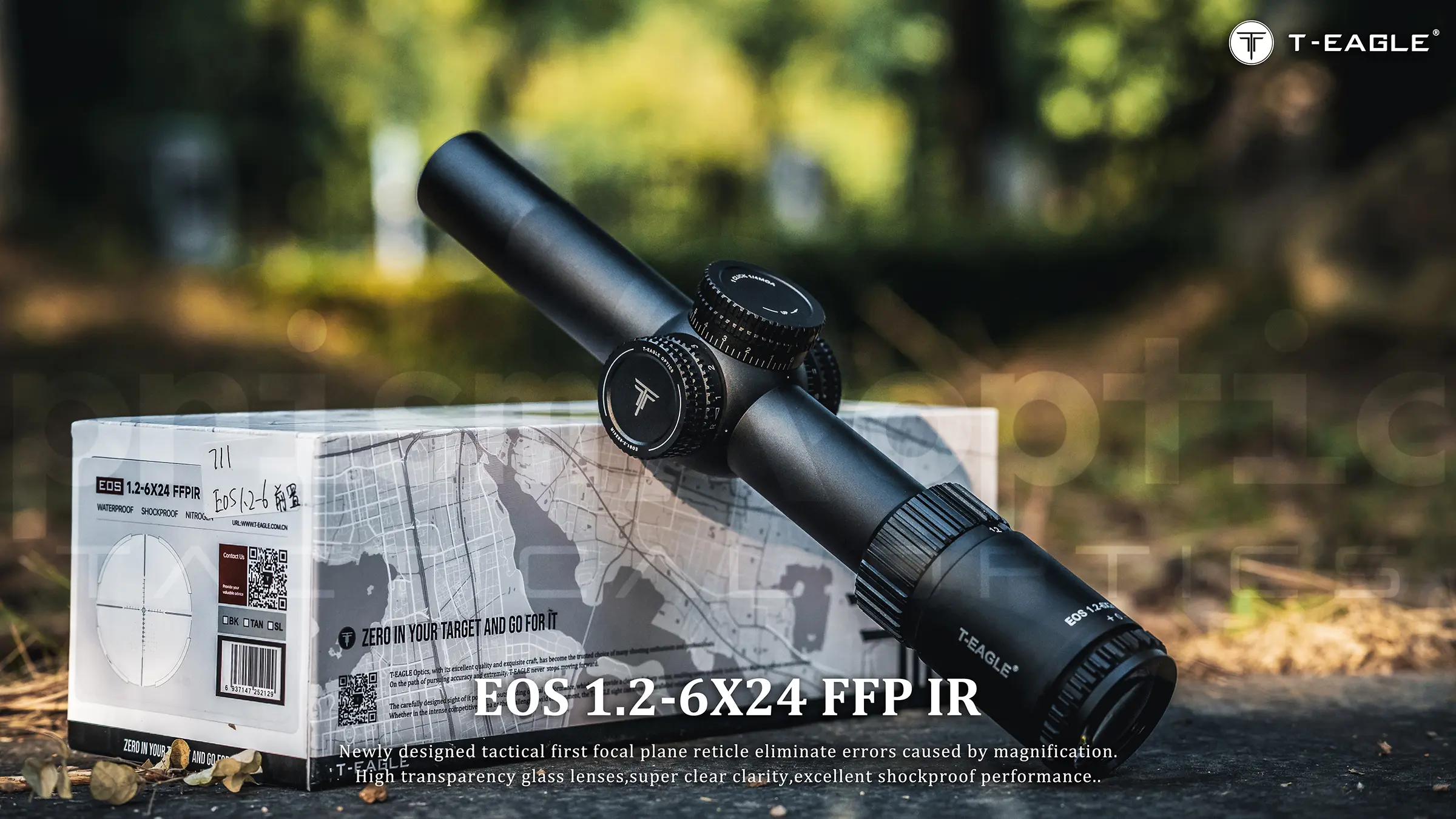
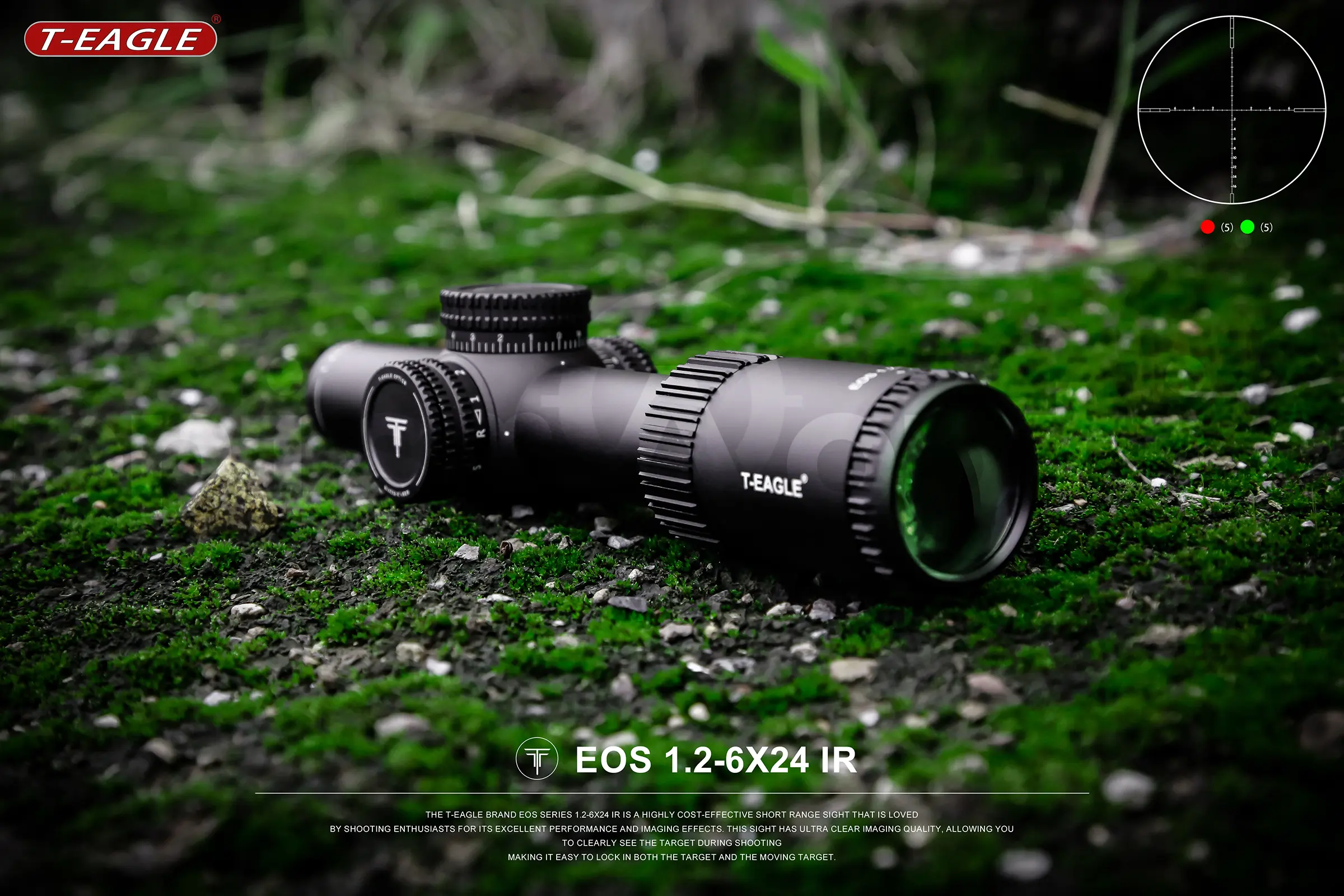
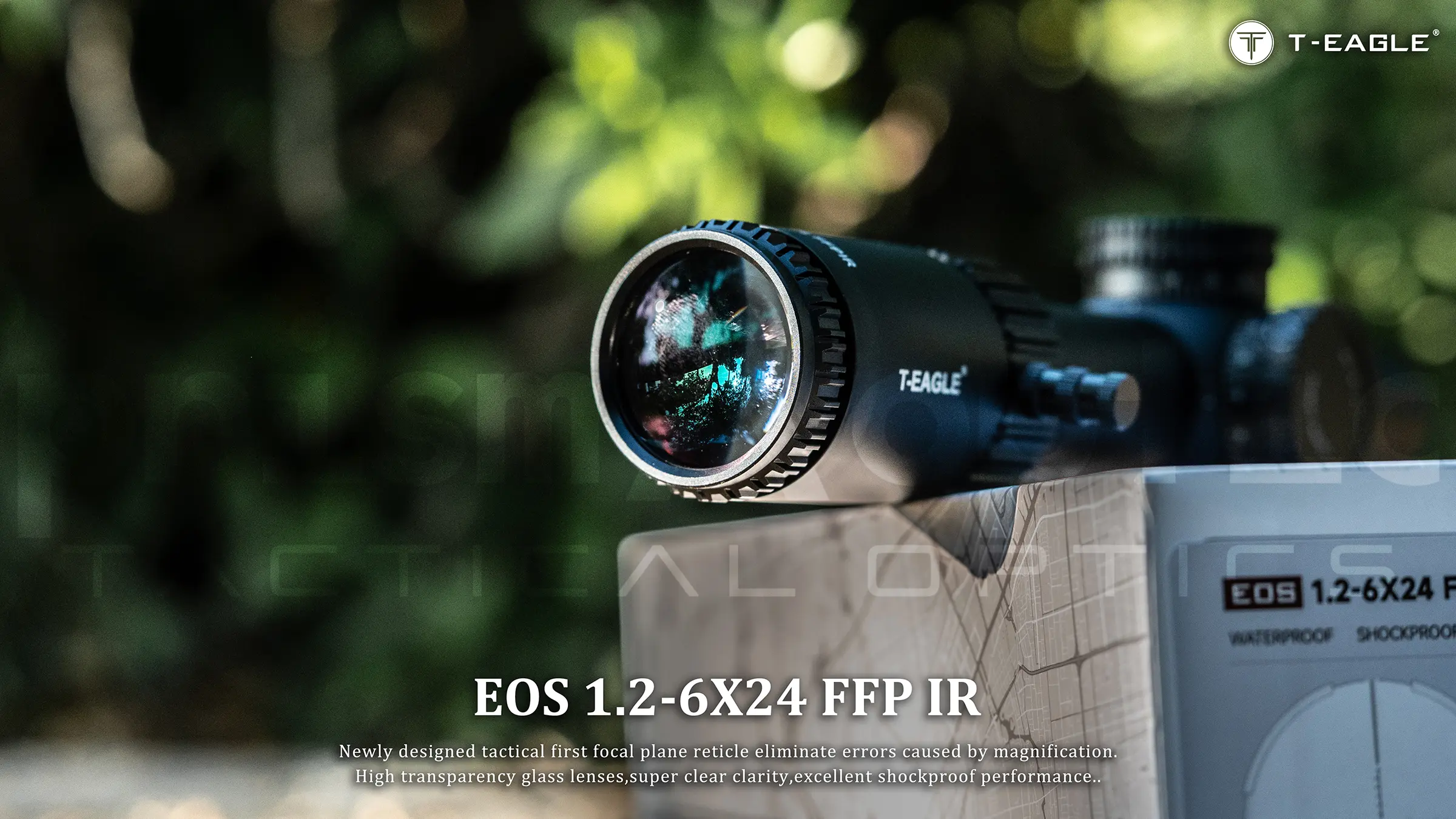
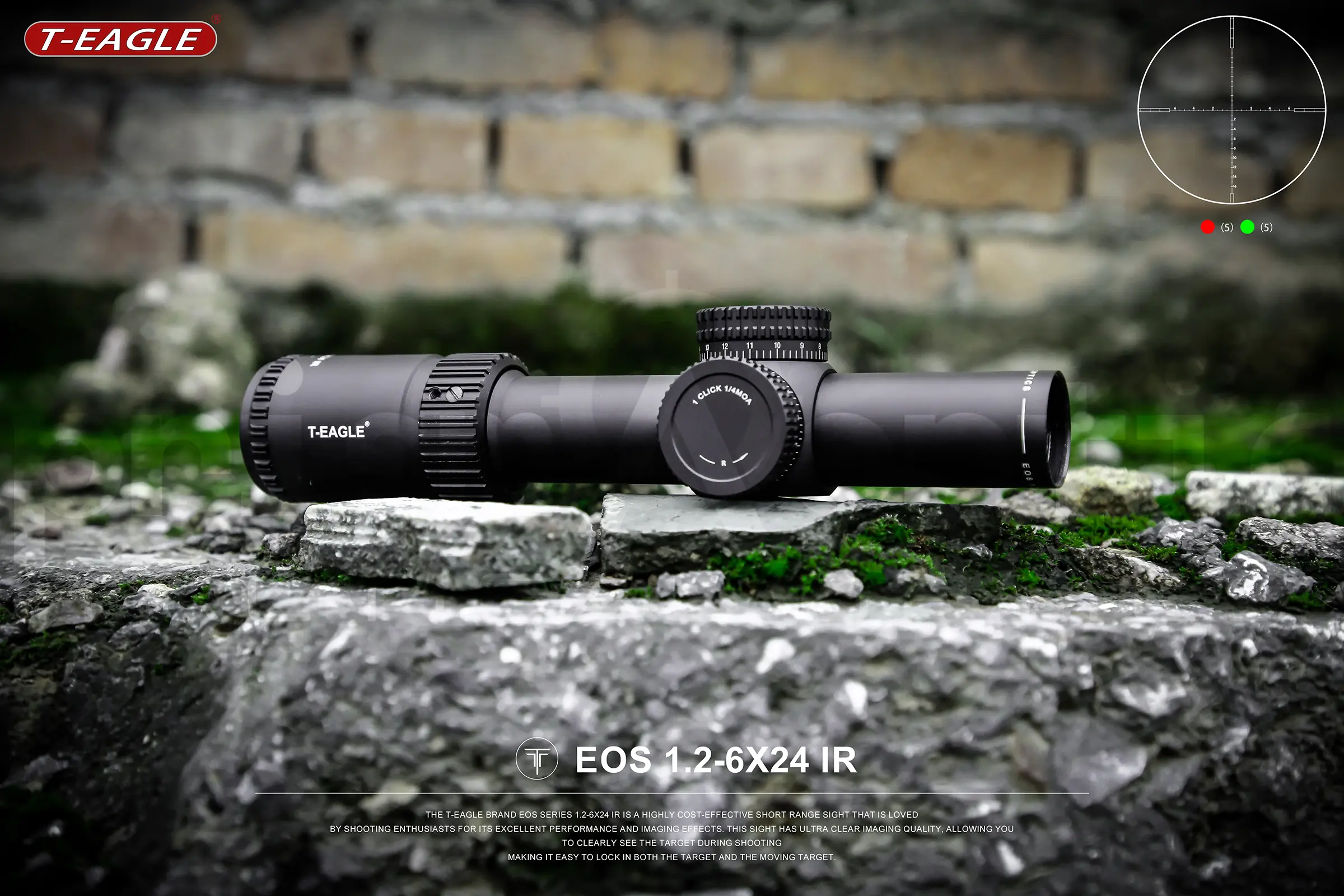
Przykład tej samej serii: T-EAGLE EOS 1.2-6X24 FFP vs SFP
Aktualny katalog Prism Optic zawiera przydatne porównanie tej samej serii:
Obie nazwy identyfikują tę samą rodzinę EOS i format powiększenia 1,2-6x24, dzięki czemu zapewniają bardziej przejrzyste podejście do płaszczyzny ogniskowej niż porównywanie lunet o różnych zakresach powiększenia. Model FFP to logiczny punkt wyjścia dla kupujących, którym zależy na skalowalności siatki celowniczej. Model SFP to logiczny punkt wyjścia dla kupujących, którym zależy na zachowaniu spójnego rozmiaru siatki.
Nie podejmuj decyzji wyłącznie na podstawie etykiety płaszczyzny ogniskowej. Otwórz obie strony produktu i porównaj aktualne informacje o siatce, dostępnych opcjach, cenie, elementach sterujących i dostępności. Szczegóły produktu mogą ulec zmianie, a właściwy wybór zależy od wybranej wersji.
Pytania, które należy zadać przed zakupem
Czy mogę używać znaczników przy powiększeniu pośrednim?
Jeśli tak, siatka celownicza FFP ułatwia spójną interpretację tych znaków w całym zakresie zoomu. Jeśli stosujesz tylko jedno znane ustawienie, konstrukcja SFP może równie dobrze spełnić Twoje potrzeby.
Czy przy niskim ustawieniu będę wyraźnie widział siatkę FFP?
Zwróć uwagę na środek, zewnętrzne punkty odniesienia i oświetlenie. Siatka celownicza musi być czytelna dla oczu w warunkach, w których zamierzasz jej używać.
Dla jakiego powiększenia kalibrowana jest siatka SFP?
Przeczytaj instrukcję obsługi, aby poznać dokładny model i siatkę celowniczą. Nie polegaj na ogólnych zasadach z innej lunety.
Czy siatka celownicza odzwierciedla sposób, w jaki wprowadzam korekty?
Zastanów się, czy używasz prostego uchwytu centralnego, wzoru BDC, punktów odniesienia MOA lub MRAD, a także czy regulacja wieżyczki jest zgodna z systemem siatki celowniczej.
Whichever focal plane you choose, confirm your zero with the 5.56 load you actually shoot, because changes in bullet weight and velocity can affect point of impact and how your holds line up.
Czy porównywałem całą optykę?
Płaszczyzna ogniskowa nie określa odległości źrenicy wyjściowej, pola widzenia, przejrzystości optycznej, jakości oświetlenia, wagi, trwałości ani układu elementów sterujących. Te czynniki mogą mieć większe znaczenie dla konkretnego kupującego niż wybór soczewki FFP lub SFP.
Jeśli nadal zastanawiasz się nad rodzajem optyki, a nie umiejscowieniem siatki celowniczej, zacznij od naszego Porównanie LPVO z czerwoną kropką i lupą. Możesz również przeglądać szerszą Kolekcja lunet celowniczych LPVO aby porównać aktualne modele.
Często zadawane pytania
Czy FFP jest zawsze lepsze niż SFP w LPVO?
Nie. FFP utrzymuje proporcjonalność napięć siatki w całym zakresie zoomu, podczas gdy SFP utrzymuje siatkę o stałym rozmiarze. Lepszy wybór zależy od sposobu korzystania z siatki i tego, czy cenisz sobie zmienną moc, czy stabilny punkt odniesienia wizualnego.
Czy siatka FFP zmienia swój rzeczywisty rozmiar fizyczny?
Nie. Jego położenie w układzie optycznym sprawia, że wydaje się on skalować wraz z powiększonym obrazem docelowym. Siatka celownicza i obraz zachowują tę samą relację kątową przy zmianach powiększenia.
Czy mogę używać znaków wstrzymania w SFP LPVO?
Tak, ale używaj ich z powiększeniem określonym dla danej siatki celowniczej, chyba że producent podaje instrukcje dotyczące obliczania wartości przy innych ustawieniach. Sprawdź instrukcję obsługi modelu, zamiast zakładać uniwersalną moc kalibracji.
Czy siatkę SFP łatwiej zobaczyć przy mniejszym powiększeniu?
Często zachowuje bardziej spójny rozmiar widoczny, ponieważ nie zmniejsza się wraz z obrazem. Rzeczywista widoczność nadal zależy od grubości linii, układu środka, oświetlenia, kontrastu i wzroku użytkownika.
Czy płaszczyzna ogniskowa ma wpływ na jakość obrazu?
Sama płaszczyzna ogniskowa nie decyduje o jakości szkła, transmisji światła ani przejrzystości. Porównaj cały projekt optyczny i konkretny model.
Ostateczna decyzja
Najprostsza zasada podejmowania decyzji jest taka: wybierz FFP, gdy chcesz, aby kątowe punkty odniesienia siatki pozostały użyteczne przy zmianie powiększenia; wybierz SFP, gdy wolisz siatkę, która zachowuje stały widoczny rozmiar i możesz używać skalibrowanych punktów odniesienia przy znanym ustawieniu.
Następnie zweryfikuj swoją decyzję, patrząc na siatkę celowniczą. Sprawdź ją przy niskim i wysokim powiększeniu, przeczytaj instrukcję, sprawdź kalibrację znaczników i porównaj resztę lunety. Najlepszym wyborem, jeśli chodzi o celownik FFP lub SFP LPVO, jest ten, którego siatka celownicza odpowiada temu, jak naprawdę zamierzasz go oglądać i używać.